
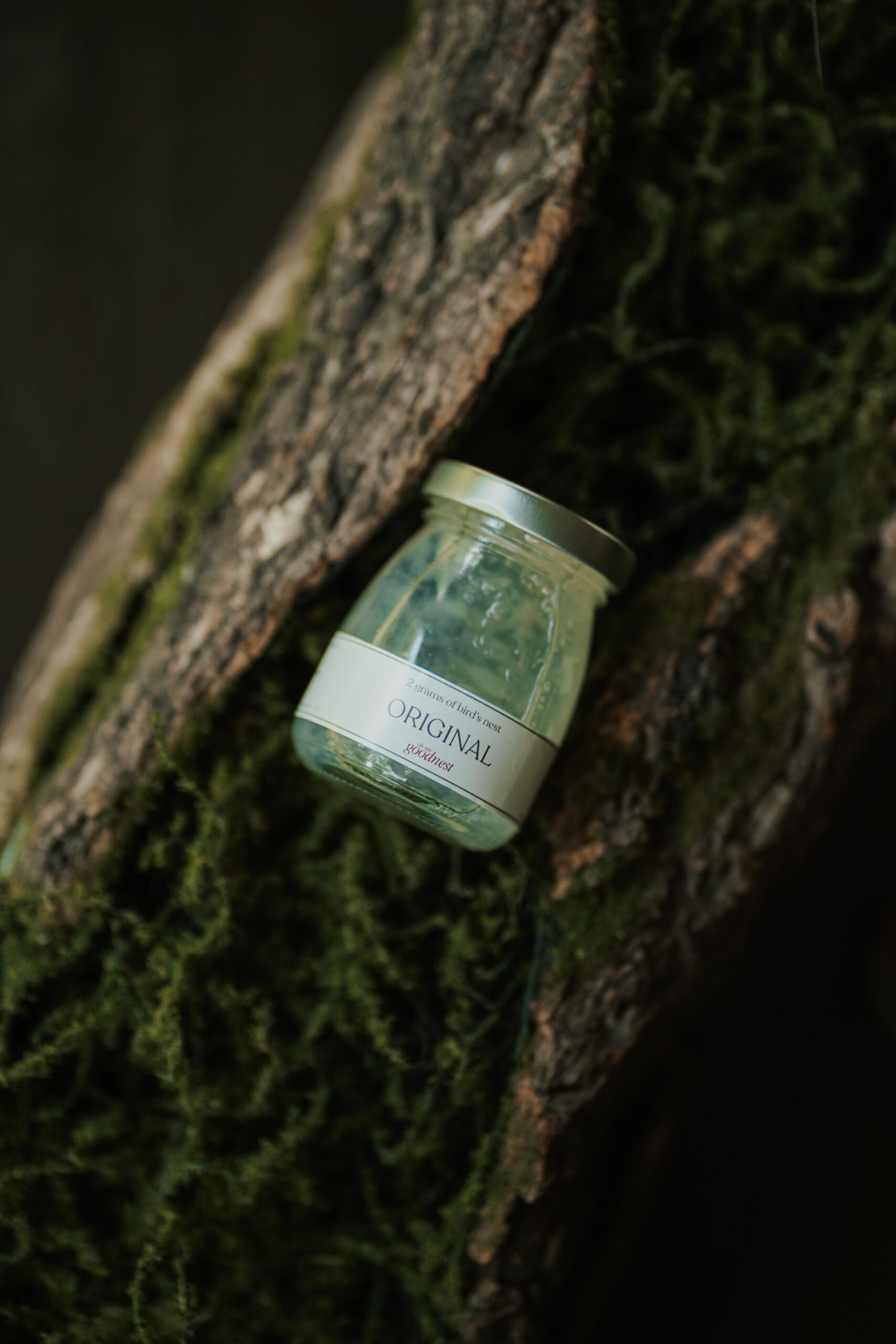
Edible bird’s nest (EBN) is made from the solidified saliva of swiftlet birds, especially Aerodramus fuciphagus and Aerodramus maximus. It has been consumed in Asia for centuries, most commonly in the form of bird’s nest soup. Known as the “Caviar of the East,” EBN is highly prized in Asian culture and can sell for as much as $10,000 per kilogram.
The EBN industry is growing rapidly. For example, Indonesia’s exports increased from $998 million in 2015 to $3.64 billion in 2019. As more dermatology patients turn to natural products, interest in EBN is expected to rise even further.
EBN has long been used in traditional Chinese medicine, dating back to the Tang (618–907 AD) and Song (960–1279 AD) dynasties. It’s believed to benefit the skin and also help with conditions like tuberculosis, asthma, cancer, and respiratory infections.
Nutritionally, EBN contains:
- Protein: 42–63%
- Carbohydrates: 23–27%
- Nitrogen: 25–27%
- Moisture: 7–24%
- Ash: 2–7%
- Fat: 0–1%
It also provides trace minerals such as calcium, iodine, iron, sodium, potassium, and phosphorus, as well as essential amino acids.
Due to its popularity, cultural significance, and market growth, it’s important to explore EBN’s potential skin benefits. Research so far mostly in test tubes (in vitro) and animals (in vivo) has shown promising results. These studies suggest EBN may help with:
- Photoaging (sun-related skin aging)
- Inflammation reduction
- Wound healing
- Skin barrier protection
- Skin whitening
While early research is encouraging, more human clinical studies are needed to confirm how effective and safe EBN is for skincare and dermatological use.